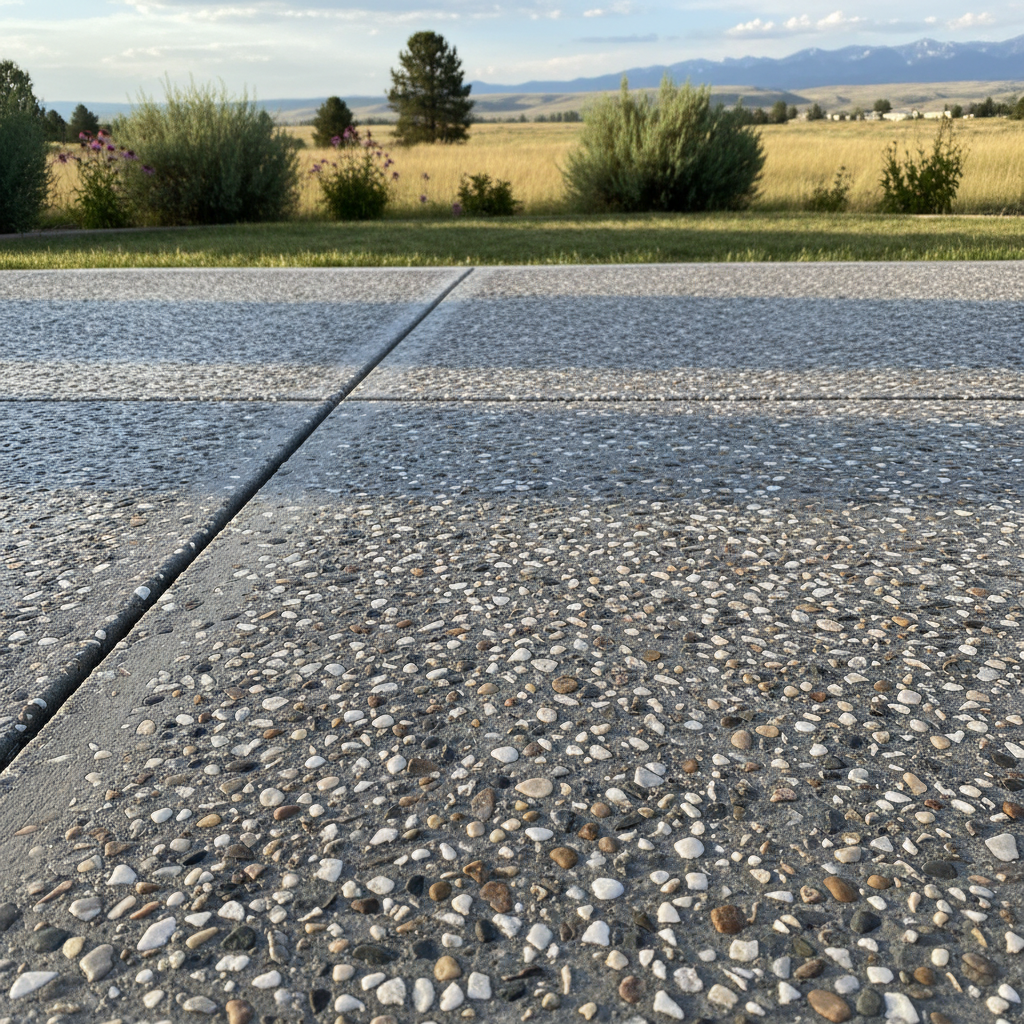
Planning Your Great Falls Concrete Patio: Before You Start
So, you're dreaming of a new concrete patio. That's a smart move, really. A good patio can totally transform your backyard, giving you a perfect spot for barbecues, relaxing, or just enjoying those beautiful Montana evenings. But before you even think about pouring, there's some homework to do.
First off, think about what you'll actually use it for. Is it just a small pad for a grill? Or a big entertaining space with a fire pit and seating? The size and shape will dictate a lot, including your budget and whether you can tackle it yourself.
Next, location, location, location. Where's the best spot in your yard? Consider sun exposure – do you want morning sun for coffee or afternoon shade for dinner? How will it connect to your house? You'll also need to think about drainage. Great Falls gets its share of rain and snowmelt, and you definitely don't want water pooling on your patio or, worse, running back towards your foundation. A slight slope away from the house is critical, usually about 1/8 inch per foot.
Permits. Don't skip this. For most residential patios in Great Falls, you might not need a full building permit if it's at grade and not attached to the house in a structural way. But it's always best to check with the City of Great Falls Planning Department. A quick call can save you a huge headache down the road, believe me.
Finally, DIY or Pro? This is the big one. If you're talking about a small, simple pad – say, 8x10 feet – and you're handy, have access to tools, and a strong back, you *might* be able to do it yourself. But for anything larger, more complex, or if you want a decorative finish like stamped or colored concrete, I'm telling you now, call a professional. Concrete isn't like painting a wall; once it's poured, it's pretty much permanent. Mess it up, and it's an expensive fix. We've seen plenty of DIY attempts that ended up costing more to fix than if the homeowner had just hired us, Great Falls Concrete Paving, from the start.
The Concrete Pour: What to Expect
Whether you're doing it yourself or hiring a crew, understanding the process helps.
- Excavation and Subgrade Prep: You'll need to dig out the area to the right depth, usually 4-6 inches for the concrete itself, plus another 4-6 inches for a gravel base. This base is vital for drainage and stability, especially with our freeze-thaw cycles here in Montana. You need to compact that subgrade really well. Poor compaction leads to settling and cracking.
- Forms: These define the edges of your patio. They need to be sturdy, level, and square (or whatever shape you're going for).
- Reinforcement: Rebar or wire mesh. This helps hold the concrete together and prevents cracking. It needs proper support in the middle of the slab, not just lying on the ground.
- The Pour: This is where things get fast. Concrete cures quickly, especially on a hot Great Falls day. If you're DIYing, you'll need help – a lot of help. You'll be screeding (leveling), floating (smoothing), and edging. It's a race against the clock.
- Finishing: This is where the magic happens for the look of your patio. A broom finish is common and provides good traction. For decorative finishes, you'll need specialized tools and expertise.
Seriously, if you're not confident in your ability to manage a concrete pour, don't risk it. It's physically demanding, time-sensitive, and requires specific skills to get a good, durable finish.
After the Pour: Curing and Care
Once the concrete is down, your job isn't over. The curing process is just as important as the pour itself. Concrete doesn't just dry; it cures through a chemical reaction with water. If it dries out too fast, it won't reach its full strength and will be more prone to cracking. You need to keep it moist for at least 7 days, sometimes longer depending on the mix and weather. This can mean misting it with water, covering it with plastic, or using a curing compound.
Don't put heavy weight on it for at least a week, and ideally, wait 28 days for it to reach its full strength before parking vehicles or placing very heavy items. You'll want to seal your patio too, usually after it's fully cured. A good sealer protects against stains, moisture, and wear, making it easier to clean and extending its life. We recommend resealing every 2-3 years, especially with our harsh winters.
A concrete patio is an investment in your home and your outdoor living. Doing it right the first time, whether you're tackling a small project yourself or bringing in a professional like us for a bigger job, means you'll enjoy it for decades to come.