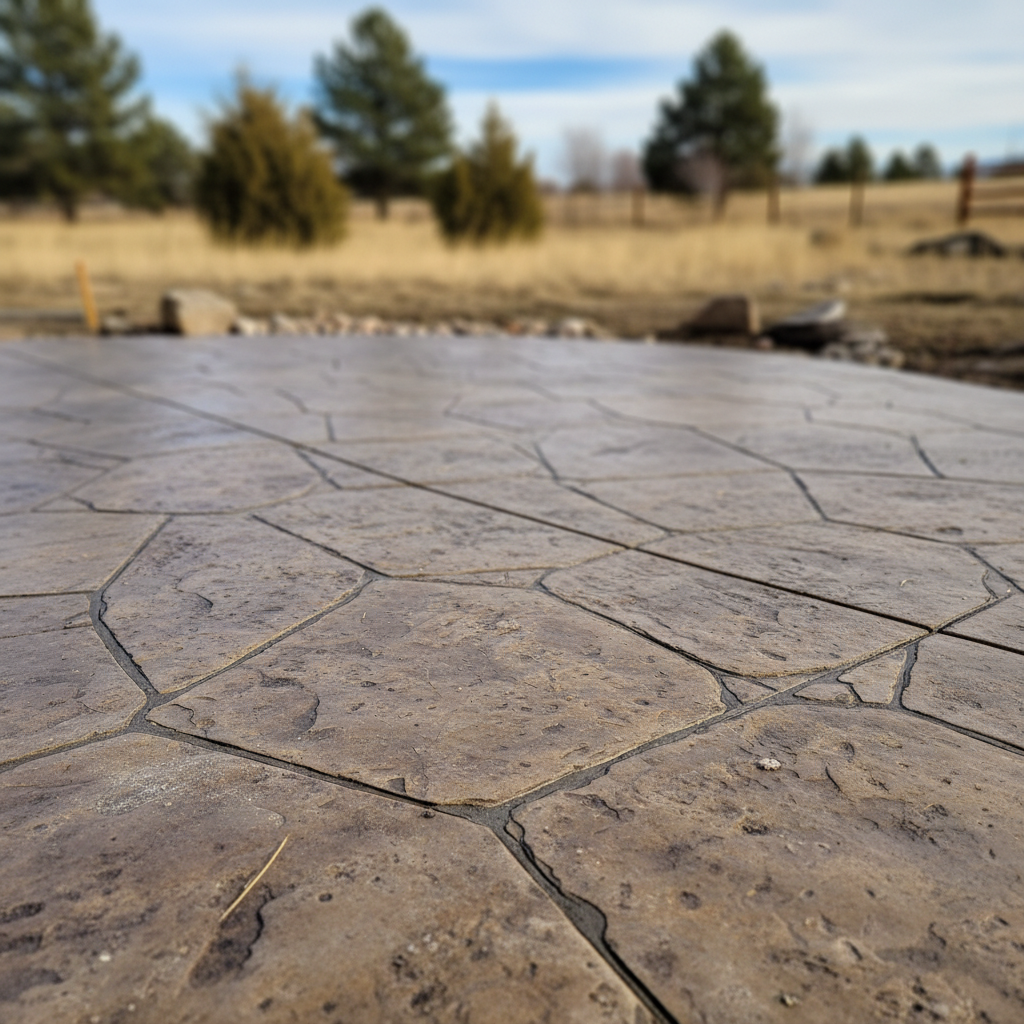
Thinking About Pouring Concrete Yourself? Read This First.
So, you're looking at that old cracked patio or thinking about a new walkway and wondering if you can just pour the concrete yourself, huh? I get it. There's a certain satisfaction in doing things with your own two hands. But with concrete, there's a big difference between a weekend warrior project and something that'll last for decades. Let's talk about what you can realistically do, and when it's smart to pick up the phone.
Before You Even Mix a Bag: Planning & Prep
The success of any concrete job, big or small, comes down to what happens before the concrete even shows up. This is where a lot of DIYers run into trouble.
- Know Your Scope: A small, non-structural pad for a garbage can or an AC unit? Maybe. A driveway, a foundation, or anything that needs to hold significant weight or last a long time? That's a different beast entirely. Be honest with yourself about the size and complexity.
- Subgrade is King: This is probably the most critical step. Your concrete is only as good as what's underneath it. You need a firm, stable, and well-drained base. That means excavating any topsoil, organic material, or soft spots. Here in Great Falls, especially in some of the older neighborhoods with clay soils, proper compaction and a good gravel base (at least 4-6 inches, compacted in layers) are non-negotiable. If you skip this, you'll get cracks and settling, guaranteed.
- Forms, Forms, Forms: You need sturdy forms that won't bulge or break when filled with heavy wet concrete. Use 2x4s or 2x6s, staked securely every couple of feet. Make sure they're level or sloped correctly for drainage (about 1/8 inch per foot is a good rule of thumb).
- Reinforcement: For anything larger than a small stepping stone, you'll want reinforcement. This usually means rebar or welded wire mesh. It doesn't prevent cracks, but it holds them tightly together if they do form. Make sure it's lifted into the middle of the slab as you pour, not sitting on the ground.
- Tools: Do you have a wheelbarrow, shovel, rake, screed board, floats, edgers, groovers, and a concrete mixer (if you're mixing bags)? Renting can add up fast, and buying for a one-off job isn't always practical.
The Pouring & Finishing Stage: It's a Race Against Time
This is where things get serious, and fast. Concrete doesn't wait for you to figure things out.
- Mixing: If you're using bagged concrete, follow the instructions precisely. Too much water weakens the concrete significantly. It should be like thick oatmeal, not soup.
- Placing: Get the concrete into the forms quickly and evenly. Don't let it sit in the wheelbarrow too long.
- Screeding: Use a straight board (your screed) to level the concrete with the top of your forms. Make multiple passes. This is tiring work.
- Floating: Once the bleed water disappears (the shiny film on top), you start floating. This brings the cream to the surface and removes minor imperfections. Don't overwork it, or you'll weaken the surface.
- Finishing: This is where the art comes in. Edging, grooving (for control joints to prevent random cracking), and final troweling. The timing is critical. Too early, and you pull up too much aggregate. Too late, and it's too stiff to work. If you're doing a broom finish for traction, that's done at a specific window too. This timing is what separates a professional job from a DIY headache.
After the Pour: Curing is Crucial
You've done the hard work, but you're not done yet. Curing is often overlooked by homeowners, and it's a huge mistake.
- Keep it Wet: Concrete doesn't dry; it cures through a chemical reaction with water. Keeping it wet for at least 5-7 days (longer if possible) allows it to reach its full strength. You can do this by misting it regularly, covering it with plastic sheeting, or using curing compounds. This is especially important in our dry Great Falls summers. If it dries out too fast, it'll be weaker and more prone to cracking.
- Protect it: Keep traffic off it for at least 24-48 hours for light foot traffic, and 7 days for vehicles. Full strength isn't reached for about 28 days.
When to Call Great Falls Concrete Paving
Look, I'm all for homeowners tackling projects, but some things are just better left to the pros. If your project involves:
- Anything structural (foundations, load-bearing slabs)
- Large areas like driveways or big patios
- Complex shapes or multiple levels
- Working around utilities or significant grading challenges
- If you don't have the time, the right tools, or the physical ability for heavy labor
That's when you call us. We've got the equipment, the crew, and the experience to get it done right the first time. We deal with the soil conditions, the weather, and the precise timing that makes concrete last. A poorly poured concrete slab isn't just an eyesore; it's a costly problem to fix down the road. Save yourself the backache and the potential regret, and let us handle the big stuff.
```