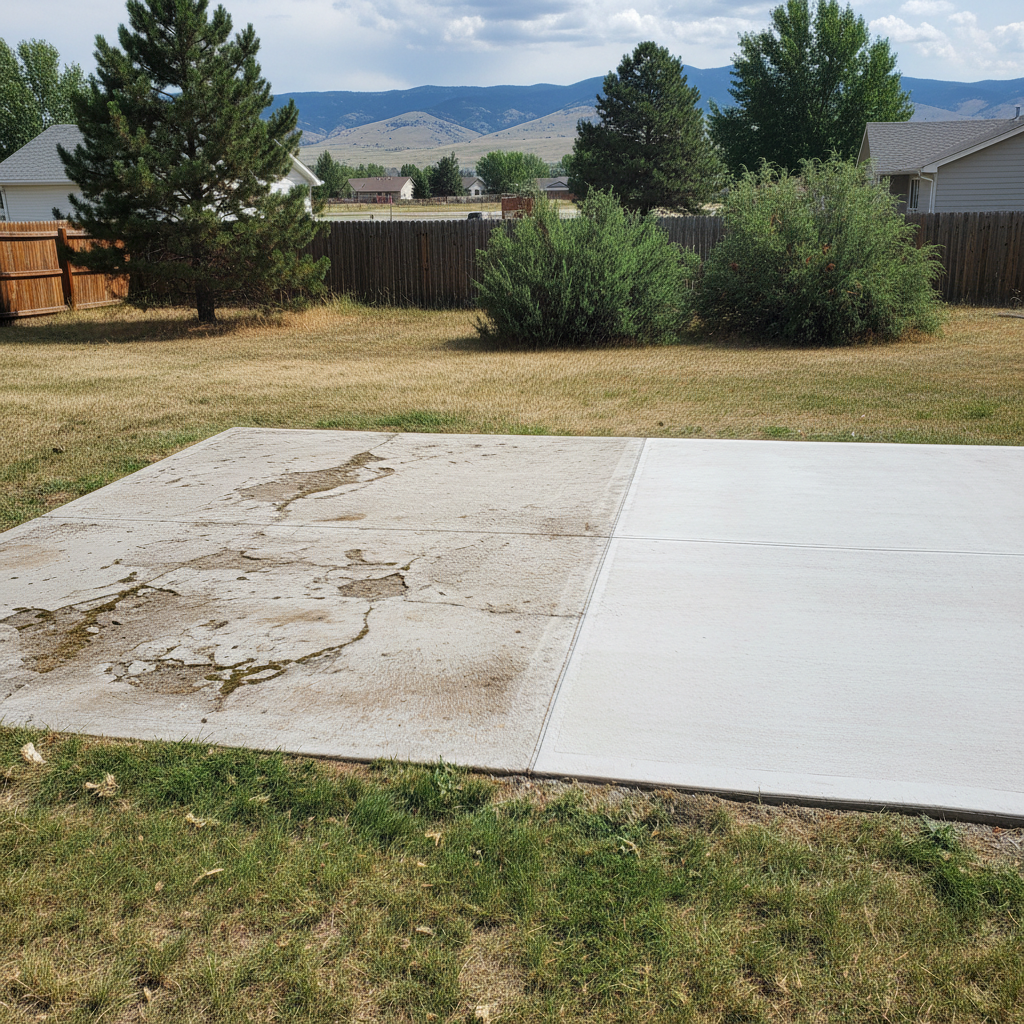
Alright, let's talk concrete. When you're looking at putting in a new patio, walkway, or even a small shed foundation around your place here in Great Falls, you've generally got two main ways to go: pouring it right there on site, or using precast concrete slabs. Folks often ask me which is better, and like most things, it's not a simple 'this one's always best' answer. It really depends on what you're trying to do, what your budget looks like, and how long you want it to last.
Poured Concrete: The Traditional Approach
This is probably what most people think of when they hear 'concrete.' We come out, prep the ground, set up forms, and pour fresh, wet concrete directly into place. Then we finish it to your specifications – smooth, broom finish, whatever you like. It's a solid, monolithic slab once it cures.
Cost
Upfront, poured concrete can sometimes seem a bit more expensive per square foot than buying individual precast pavers, especially for smaller areas. That's because you're paying for the crew, the forms, the delivery of the wet concrete, and the specialized finishing work. But for larger areas, the cost per square foot often comes down significantly.
Durability
This is where poured concrete really shines. When it's done right – with proper sub-base preparation, good mix design, and correct curing – it's incredibly durable. You get a seamless surface that's less prone to shifting or having weeds pop up through cracks. Here in Great Falls, where we get those wild temperature swings and frost-heave can be a real problem, a properly reinforced and poured slab with good control joints handles those stresses much better than a collection of individual pieces. I've seen poured driveways last 30, 40, even 50 years with minimal issues if they were put in correctly.
Maintenance
Generally low. You might need to seal it every few years to protect it from stains and extend its life, but that's about it. If a crack does appear, it can be patched, though it might not be invisible. You don't have individual pieces to worry about settling unevenly or getting chipped.
Appearance
You've got a lot of flexibility here. We can do different finishes, add color to the mix, or even stamp patterns into it to mimic stone or brick. It creates a very clean, uniform look.
Precast Slabs: The Modular Option
Precast slabs, or pavers, are concrete pieces manufactured off-site in a controlled environment. They come in various shapes, sizes, and colors. You lay them down over a prepared base, often sand.
Cost
For smaller projects, buying precast slabs and laying them yourself can be cheaper than hiring a crew to pour concrete. The material cost per unit might be less, and you save on labor if you DIY. However, if you're hiring someone to lay them, the labor can add up, especially for intricate patterns or larger areas, sometimes making it comparable or even more expensive than poured concrete.
Durability
This is where it gets tricky, especially for our climate. While individual pavers are strong, their durability as a system depends heavily on the base they're laid on. If the base isn't properly compacted and stable, those pavers will shift, settle, and create uneven spots. We've got a lot of clay in the soil around here, which expands and contracts with moisture, making a stable base crucial. I've seen plenty of paver patios around the West Side of town that look great for a few years, then start to buckle and separate because of ground movement. They're also more susceptible to individual chips and cracks from heavy impacts.
Maintenance
Higher than poured concrete, in my opinion. You'll likely deal with weeds growing between the gaps, requiring regular pulling or herbicide. The sand in the joints can wash out, needing replenishment. Individual pavers can settle unevenly, creating tripping hazards that need to be re-leveled. And if one gets damaged, you can replace it, but matching the color perfectly years later can be tough.
Appearance
Precast slabs offer a huge range of aesthetic options. You can create intricate patterns, blend colors, and achieve a very distinct look that's hard to replicate with poured concrete without stamping. It can look very natural and charming.
My Recommendation for Great Falls
Look, for most applications around a home in Great Falls – driveways, large patios, foundations, even substantial walkways – I'm going to lean towards poured concrete. The durability and low maintenance of a properly installed monolithic slab just can't be beat, especially with our weather. You get a stronger, more stable surface that's built to withstand the freeze-thaw cycles and the expansive clay soils we deal with here.
That's not to say precast slabs don't have their place. For a small, decorative garden path where minor settling isn't a big deal, or for a temporary solution, they can be a good choice. But for anything you want to last for decades with minimal fuss, especially if it's going to see heavy use or support weight, poured concrete is the way to go. It's a long-term investment that pays off in peace of mind and fewer headaches down the road.
If you're thinking about a project, give us a call at Great Falls Concrete Paving. We can walk you through the options and help you figure out what makes the most sense for your specific needs and budget.