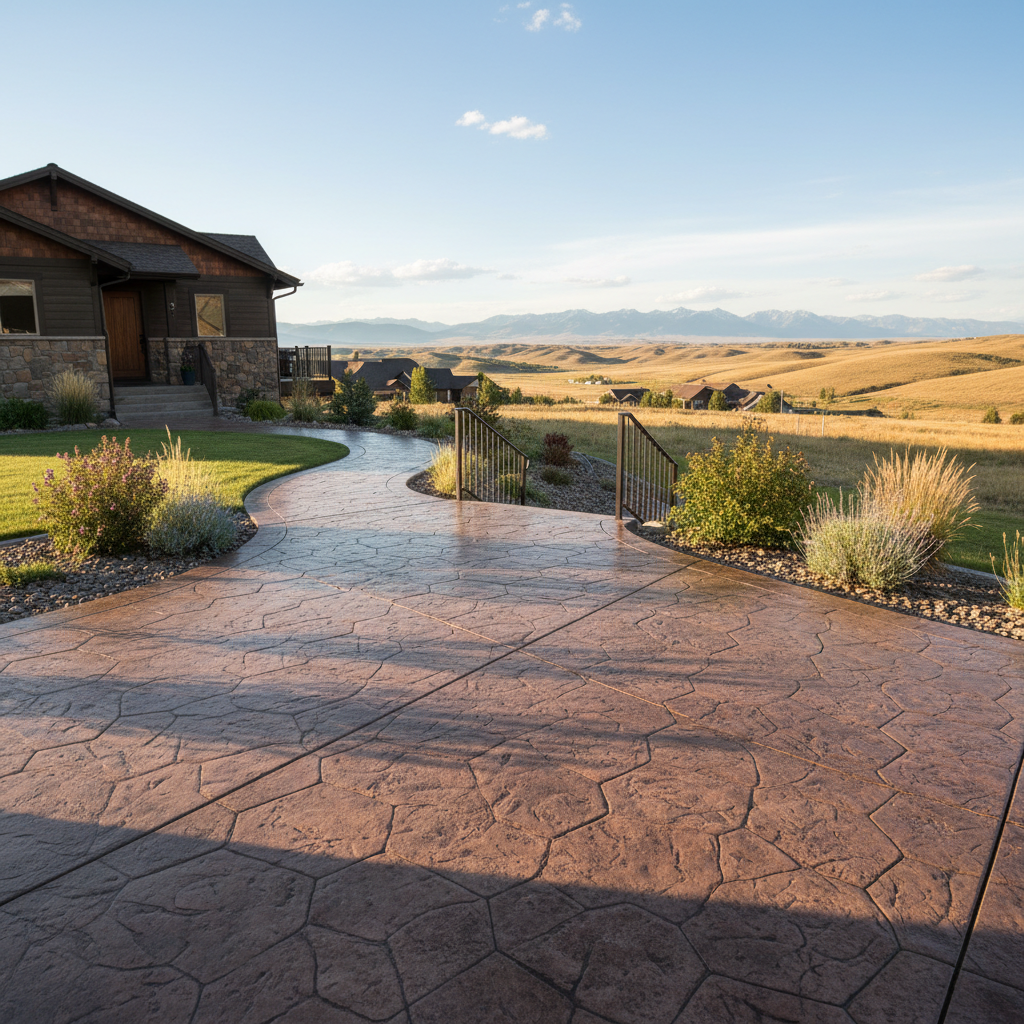
Keeping Your Stamped Concrete Looking Great for Years
So, you've got stamped concrete, and you love it. I totally get that. It really adds a ton of curb appeal and makes an outdoor space feel special. But here in Great Falls, with our wild temperature swings and sometimes brutal winters, you can't just pour it and then forget about it. If you want that beautiful pattern and color to last, you'll need to put in a little effort. It's not hard work, honestly, but it does need to be consistent.
I've seen too many folks just ignore their stamped concrete, and then a few years later, they're calling me up, wondering why it's fading or flaking. The good news is, with just a bit of routine care, you can make your stamped concrete last a whole lot longer. Think of it like taking care of your car – a little preventative maintenance now saves you a lot of headaches (and money!) down the road.
What Regular Maintenance Looks Like
Alright, let's get down to business. What exactly do you need to do? It really comes down to a few simple things:
- Keep it Clean: This is probably the easiest step, and often the most overlooked. Dirt, leaves, pine needles, all sorts of debris can sit on your concrete and hold moisture, which isn't good for it. Plus, things like spilled drinks or oil can stain if you leave them too long. So, a good sweep with a stiff broom regularly? That's a must. For tougher grime, a garden hose with a spray nozzle works wonders. You can even use a mild detergent and a soft brush for stubborn spots – just make sure it's safe for concrete and rinse it thoroughly. And hey, don't go crazy with a pressure washer unless you really know what you're doing; too much pressure can damage the sealer or even the concrete surface itself.
- Re-seal Every Few Years: This is the big one, especially for us here in Great Falls. The sealer is like your stamped concrete's bodyguard. It protects against moisture, UV rays (yep, even in Montana, the sun can fade things), oil, and just general wear and tear. How often should you do it? Generally, every 2-3 years is a good rule of thumb for residential surfaces. If it's a high-traffic area, like a driveway, you might need to do it more often. If water stops beading on the surface, or if the color starts looking dull, it's definitely time to re-seal. Make sure you use a high-quality, penetrating sealer specifically designed for stamped concrete. I can't stress this enough – using the wrong sealer can cause more problems than it solves.
- Winter Care: Our winters are no joke, are they? The freeze-thaw cycles we get, especially in areas like the Northside where some older homes might have less robust drainage, can be brutal on concrete. Try to avoid using de-icing salts like sodium chloride or calcium chloride. These can be corrosive and break down your sealer and even the concrete itself over time. Sand is a much better option for traction. And if you're shoveling, use a plastic shovel instead of a metal one to avoid scratching the surface.
Warning Signs of Problems
Your stamped concrete will usually give you clues if something's not quite right. Keep an eye out for these:
- Fading Color: If your vibrant color starts looking dull or washed out, that often means your sealer is failing, and the concrete is getting exposed to the elements.
- Flaking or Peeling Sealer: This is a pretty clear indicator that the existing sealer is breaking down. It could be due to age, improper application, or harsh chemicals.
- Cracks: Small hairline cracks are sometimes unavoidable, even with proper expansion joints. But if you see larger, spreading cracks – especially if they're raising or sinking – that's a bigger issue.
- Pitting or Spalling: This looks like small chunks of concrete are popping out of the surface. It's often caused by those freeze-thaw cycles when water gets into the concrete and expands, or by de-icing salts.
- White Haze (Efflorescence): This is a powdery white substance that can show up on the surface. It's mineral salts coming up from inside the concrete. It's usually harmless but can be unsightly, you know?
When to Call a Professional
Look, a lot of the routine maintenance you can probably handle yourself. Cleaning and even re-sealing are totally doable for most homeowners. But there are times when it's best to bring in someone who really knows their stuff. You should definitely call Great Falls Concrete Paving if:
- You're seeing significant cracking, especially if it's structural or creating trip hazards.
- The surface is pitting or spalling badly, which points to a more serious issue with the concrete itself.
- You've tried to re-seal, and it's just not looking right – maybe it's hazy, sticky, or peeling quickly. Sometimes it's about product compatibility or getting the surface prepped correctly.
- You're not sure what type of sealer was used previously, and you want to make sure you're applying the right one.
- You've got stubborn stains that just won't come out with mild cleaning.
- You simply don't have the time or confidence to do the maintenance yourself. We're here to help keep your investment looking its best.
Taking care of your stamped concrete isn't rocket science, but it does need your attention. A little effort each year will keep it looking fantastic and protect your investment for a long, long time.